

Image from : smartenergy.com
Introduction
The global energy landscape is undergoing one of the most significant transitions in history. For more than a century, fossil fuels such as coal, oil, and natural gas have powered industries, transportation, and households worldwide. However, the growing urgency of climate change, fluctuating fuel prices, and advancements in technology have pushed renewable energy—like solar, wind, hydro, and geothermal—into the spotlight.
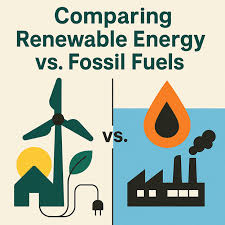
One of the key debates shaping energy policies today is the cost-benefit comparison between fossil fuels and renewable energy. Beyond just the price per kilowatt-hour, this comparison involves environmental impacts, long-term economic benefits, health effects, and even geopolitical stability.
In this article, we will break down the financial costs, economic returns, and hidden benefits of both fossil fuels and renewable energy. By the end, you will understand why this conversation is not only about money but also about the future of global sustainability.
1. The Real Cost of Fossil Fuels
1.1 Production and Market Price
Fossil fuels remain dominant because of their historically lower upfront costs and established infrastructure. Coal and natural gas plants have long supplied affordable electricity at scale. Oil remains crucial for global transportation and industrial processes.
-
Average cost (global 2024 estimates):
-
Coal power: $65–150 per MWh
-
Natural gas: $45–90 per MWh
-
Oil: fluctuates, but energy generation often exceeds $100 per MWh
-
However, these costs fluctuate dramatically due to geopolitical instability, supply chain disruptions, and resource depletion. The Russia–Ukraine conflict, for example, caused spikes in gas and oil prices worldwide.
1.2 Hidden Costs
The apparent affordability of fossil fuels often ignores externalities—costs not reflected in the market price:
-
Environmental damage: air pollution, oil spills, mining destruction
-
Health impacts: respiratory diseases, cardiovascular conditions, premature deaths
-
Climate risks: extreme weather events, rising sea levels, agricultural disruption
According to the International Monetary Fund (IMF), the global fossil fuel industry receives over $7 trillion annually in subsidies and hidden cost coverage, including the societal burden of pollution-related health issues.
2. The Rising Value of Renewable Energy
2.1 Initial Investment vs Long-Term Savings
Renewables often require higher upfront costs for infrastructure. Installing solar farms, offshore wind turbines, or hydroelectric dams involves significant capital. Yet, once installed, their operational costs are remarkably low because sunlight, wind, and water are free resources.
-
Average cost (global 2024 estimates):
-
Solar power: $25–50 per MWh
-
Onshore wind: $30–45 per MWh
-
Offshore wind: $60–100 per MWh
-
Hydropower: $35–70 per MWh
-
Over the past decade, the cost of solar panels has dropped by over 85%, and wind turbine efficiency has increased dramatically. This trend continues as technology advances and economies of scale grow.
2.2 Economic & Environmental Benefits
Renewables deliver multiple advantages:
-
Energy independence: reduces reliance on volatile global oil markets
-
Job creation: renewable sectors create more jobs per unit of electricity compared to fossil fuels
-
Sustainability: no depletion of finite resources
-
Health improvements: lower air pollution means fewer public health expenses
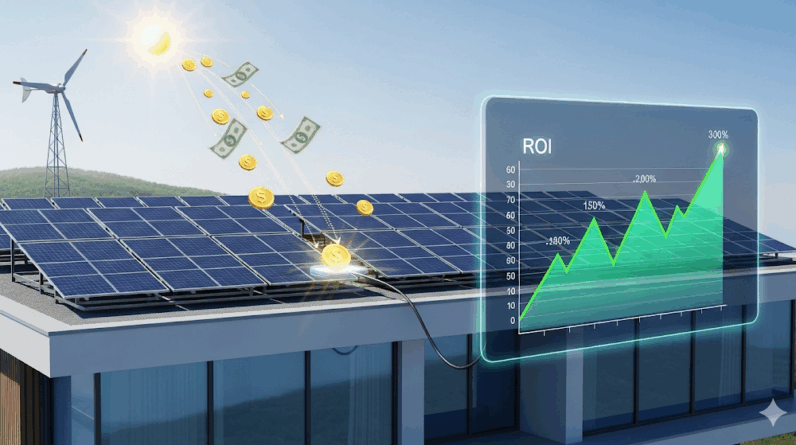
The International Renewable Energy Agency (IRENA) reports that every $1 invested in renewables generates $3–8 in economic returns through job creation, healthcare savings, and climate mitigation.
3. Comparing Fossil Fuels vs Renewables: Cost & Benefit Matrix
| Category | Fossil Fuels | Renewable Energy |
|---|---|---|
| Production Cost (2024) | $45–150 per MWh, fluctuates with market volatility | $25–100 per MWh, steadily declining |
| Infrastructure | Mature, globally integrated | Growing rapidly, requires initial capital |
| Environmental Impact | High emissions, air & water pollution | Low to zero emissions, eco-friendly |
| Health Costs | High—millions of premature deaths annually | Minimal, significant public health benefits |
| Energy Security | Dependent on imports, exposed to global conflicts | Domestic sources, enhances energy independence |
| Economic Returns | Short-term affordability, long-term instability | High long-term returns, job creation, cost savings |
| Sustainability | Finite, depleting resources | Infinite supply (sun, wind, water, geothermal) |
4. Misconceptions About Energy Costs
4.1 “Fossil Fuels Are Cheaper”
While fossil fuels may seem cheaper at the point of purchase, they become far more expensive when factoring in hidden subsidies, environmental cleanup, and healthcare costs.
4.2 “Renewables Are Too Expensive”
This was true two decades ago, but not today. Solar and wind are now the cheapest sources of new electricity in most parts of the world. Large-scale adoption is limited more by political and infrastructural challenges than cost.
4.3 “Renewables Can’t Provide Reliable Energy”
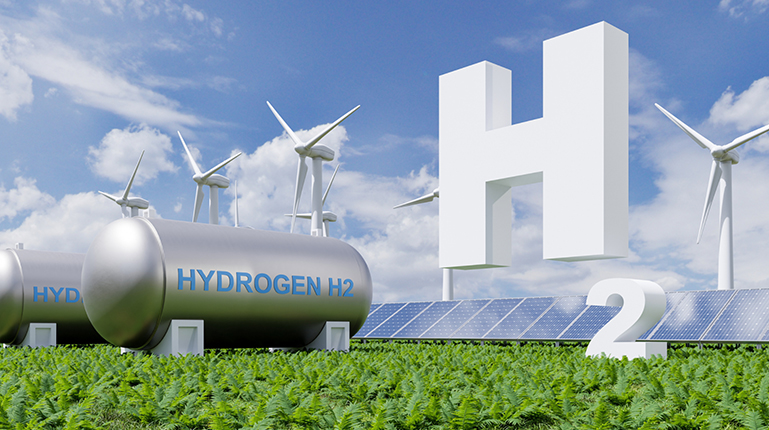
Advances in energy storage (like lithium-ion batteries and green hydrogen) and smart grids are solving intermittency issues. Countries like Denmark and Portugal already meet most of their electricity demand from renewables.
5. The Geopolitical and Social Dimension
5.1 Fossil Fuel Dependency
Countries that rely heavily on fossil fuels face economic and political risks tied to global supply chains. Oil-exporting nations also face uncertainty as the world gradually shifts toward renewables.
5.2 Renewable Energy as a Path to Stability
Investing in renewables enhances energy sovereignty. Nations with abundant sunlight or wind can generate their own power without depending on foreign suppliers, reducing vulnerability to global price shocks.
6. Case Studies: Real-World Comparisons
-
Germany’s Energiewende: Germany invested heavily in renewables, reducing coal dependence and creating thousands of green jobs. While initial costs were high, long-term energy security and emissions reduction have been successful.
-
China’s Solar Boom: China is now the world leader in solar manufacturing, making renewable energy cheaper globally while cutting domestic air pollution.
-
Texas Wind Power: Despite being a fossil fuel hub, Texas leads the U.S. in wind energy, showing how renewables can coexist with existing infrastructure.
7. Future Outlook: The Shift Toward Renewables
By 2030, renewables are projected to account for over 60% of new power capacity worldwide. With storage technology advancing and green hydrogen emerging, renewables are set to outcompete fossil fuels in both price and scalability.
Governments, investors, and industries increasingly see renewable energy not as an “alternative” but as the primary solution for long-term prosperity.
Conclusion
When comparing fossil fuels and renewable energy, the picture is clear:
-
Fossil fuels may appear affordable today, but their hidden costs—environmental damage, health impacts, and long-term economic risks—make them far more expensive in reality.
-
Renewable energy requires upfront investment but delivers massive economic, social, and environmental returns in the long run.
As technology advances and adoption accelerates, renewables are no longer just an ethical choice—they are the smartest financial and strategic decision for nations, businesses, and individuals alike.
The real question is not whether the world can afford to transition to renewable energy, but whether it can afford not to.