

image from : learniee.com
Introduction
The global automotive industry is undergoing one of the most transformative shifts in history: the move from internal combustion engines (ICEs) to electric vehicles (EVs). What was once considered a niche market is now rapidly becoming mainstream. According to recent reports, global EV sales surpassed 14 million units in 2023, and projections suggest that by 2030, more than 50% of new car sales could be electric.
But while EVs are gaining popularity, one key factor determines their widespread adoption: charging infrastructure. Just as traditional cars rely on a network of gas stations, EVs depend on accessible and efficient charging networks. Among the many advancements in this space, fast charging technology stands out as a game-changer, reducing charging times from hours to minutes.
This article explores the evolution of EVs, the importance of charging infrastructure, and how fast charging innovations are shaping the future of sustainable transportation.
The Rise of Electric Vehicles
A Brief Historical Perspective
Electric vehicles are not as new as many think. In fact, the first EVs were developed in the late 1800s, even before gasoline-powered cars became dominant. However, limited battery technology and the rise of cheap fossil fuels pushed EVs into obscurity for much of the 20th century.
Fast forward to the 21st century, concerns about climate change, rising fuel costs, and breakthroughs in lithium-ion batteries have reignited interest in EVs. Today, nearly every major automaker, from Tesla and BYD to Volkswagen and Ford, is investing heavily in electric mobility.
Why EVs Are Growing So Fast
Several factors explain the rapid growth of EV adoption:
-
Environmental Concerns: EVs produce zero tailpipe emissions, helping reduce urban air pollution and greenhouse gases.
-
Government Policies: Many countries offer subsidies, tax incentives, and strict emission regulations that encourage EV adoption.
-
Technological Advancements: Battery energy density has improved, costs have dropped by more than 80% in the last decade, and driving ranges have extended beyond 400–500 km on a single charge.
-
Consumer Demand: As EVs become more stylish, affordable, and practical, more drivers are making the switch.
The Backbone of EV Adoption: Charging Infrastructure
For EVs to become truly mainstream, charging stations must be as common and reliable as gas stations. Without convenient access to charging points, drivers experience “range anxiety”—the fear of running out of power without a nearby station.
Types of EV Charging
There are three main levels of EV charging, each with different speeds and use cases:
-
Level 1 Charging (AC Slow Charging)
-
Uses a standard household outlet (120V in North America, 220V in most of the world).
-
Adds 5–10 km of range per hour.
-
Suitable for overnight home charging but impractical for long trips.
-
-
Level 2 Charging (AC Fast Charging)
-
Requires a dedicated charging station (240V or higher).
-
Adds 25–40 km of range per hour.
-
Common in homes, workplaces, and public parking areas.
-
-
DC Fast Charging (Level 3)
-
Uses direct current (DC) to charge batteries directly, bypassing the onboard converter.
-
Adds 100–300 km of range in just 20–30 minutes.
-
Essential for highway travel and commercial fleets.
-
The Global Expansion of Charging Networks
Governments and private companies are racing to expand charging infrastructure. For example:
-
Europe: The EU has mandated at least one fast charger every 60 km along major highways by 2030.
-
United States: The Bipartisan Infrastructure Law allocates $7.5 billion for a nationwide EV charging network.
-
China: Already the world’s largest EV market, with over 2.5 million public charging points installed by 2023.
As charging infrastructure grows, EV adoption becomes more practical and appealing to the average consumer.
Fast Charging: A Game-Changer for EVs
One of the biggest barriers to EV adoption has always been charging time. While filling a gas tank takes just a few minutes, traditional EV charging could take hours. Fast charging addresses this issue by dramatically reducing waiting times.
How Fast Charging Works
Unlike AC charging, which relies on the car’s onboard charger, DC fast chargers deliver power directly to the battery. This bypass significantly reduces conversion losses and speeds up the process. Modern fast chargers can deliver anywhere from 50 kW to 350 kW, depending on the vehicle’s capacity.
For example:
-
A 50 kW charger can recharge an EV to 80% in about 45 minutes.
-
A 150 kW charger can do the same in 20–30 minutes.
-
Ultra-fast 350 kW chargers, such as those in networks like Ionity and Electrify America, can provide up to 300 km of range in just 10–15 minutes.
Benefits of Fast Charging
-
Convenience: Makes long-distance travel in EVs possible without long delays.
-
Fleet Operations: Vital for taxis, delivery vans, and buses that operate continuously.
-
Consumer Confidence: Reduces range anxiety and makes EV ownership more attractive.
Challenges in Fast Charging
While promising, fast charging also faces challenges:
-
High Costs: Installing a fast charger can cost tens of thousands of dollars, much more than a standard charger.
-
Grid Demand: Fast chargers require high power loads, sometimes equivalent to dozens of households.
-
Battery Degradation: Frequent fast charging can reduce long-term battery life, though new battery chemistries are addressing this.
The Role of Innovation in Charging Infrastructure
The EV charging ecosystem is rapidly evolving with new innovations:
-
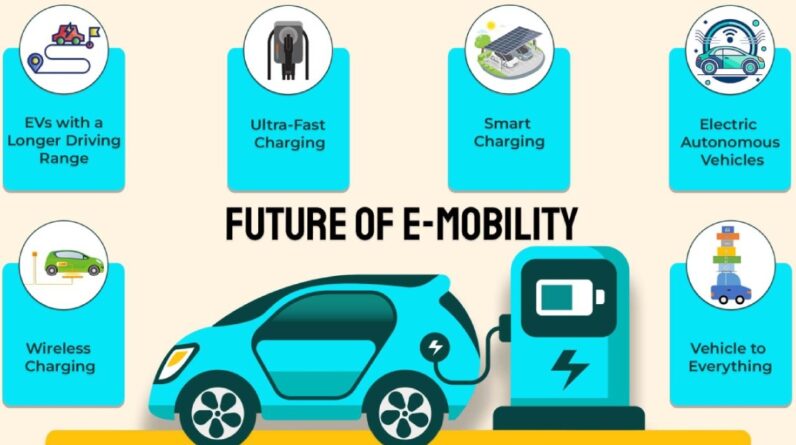
Smart Charging & Energy Management
-
Charging stations equipped with AI can optimize charging times, reduce grid stress, and lower electricity costs by charging during off-peak hours.
-
-
Wireless Charging
-
Emerging technologies allow EVs to charge wirelessly through induction pads embedded in parking spaces or roads.
-
-
Vehicle-to-Grid (V2G) Integration
-
EVs can act as mobile energy storage, sending unused electricity back to the grid during peak demand.
-
-
Solar-Powered Charging
-
Integrating renewable energy sources, such as solar panels, with charging stations reduces reliance on fossil fuels.
-
Global Leaders in Fast Charging Networks
Tesla Supercharger Network
Tesla revolutionized EV adoption with its Supercharger network, offering ultra-fast charging exclusively for Tesla owners (though some stations are now open to other EVs). With over 50,000 Superchargers worldwide, Tesla sets the gold standard for convenience and reliability.
Ionity (Europe)
A joint venture of BMW, Daimler, Ford, Hyundai, and Volkswagen, Ionity is building a pan-European fast charging network, with over 2,000 chargers already in operation.
Electrify America (United States)
Funded by Volkswagen’s “Dieselgate” settlement, Electrify America has installed more than 800 fast charging stations with over 3,500 individual chargers across the U.S.
China’s Charging Giants
Companies like State Grid Corporation of China and Teld operate massive networks, making China the global leader in EV charging infrastructure.
The Future of EVs and Fast Charging
The coming decade will bring even more advancements:
-
Solid-State Batteries: Expected to charge faster, last longer, and be safer than current lithium-ion batteries.
-
Ultra-Fast Megawatt Charging: Especially for trucks and heavy-duty vehicles, cutting charging times to under 10 minutes.
-
Global Standardization: Efforts like the Combined Charging System (CCS) are creating universal compatibility across brands.
-
Urban Charging Solutions: Expansion of curbside chargers, charging hubs, and even battery-swapping stations in cities.
Conclusion
The transition to electric vehicles is no longer a question of if, but when. As automakers roll out more affordable and high-performance EVs, the spotlight now shifts to charging infrastructure. Without reliable, widespread, and fast charging options, EV adoption cannot reach its full potential.
Fast charging, in particular, is poised to play a crucial role. By reducing charging times to near parity with gasoline refueling, it eliminates one of the last major barriers to EV adoption. Combined with innovations in smart grids, renewable integration, and next-generation batteries, the future of mobility is set to be cleaner, faster, and more efficient.
As the world moves toward a sustainable energy future, EVs and fast charging networks are not just conveniences—they are the backbone of the global green transition.